Buying a small multi-family property in Rockford can look simple at first glance, but the real numbers and rules matter more than the listing photos. If you are hoping to house hack, build rental income, or add a small investment property to your portfolio, you need a clear process before you make an offer. This guide walks you through the basics that matter most in Rockford, from zoning and parking to rent estimates, taxes, and rental registration. Let’s dive in.
Why small multi-family appeals in Rockford
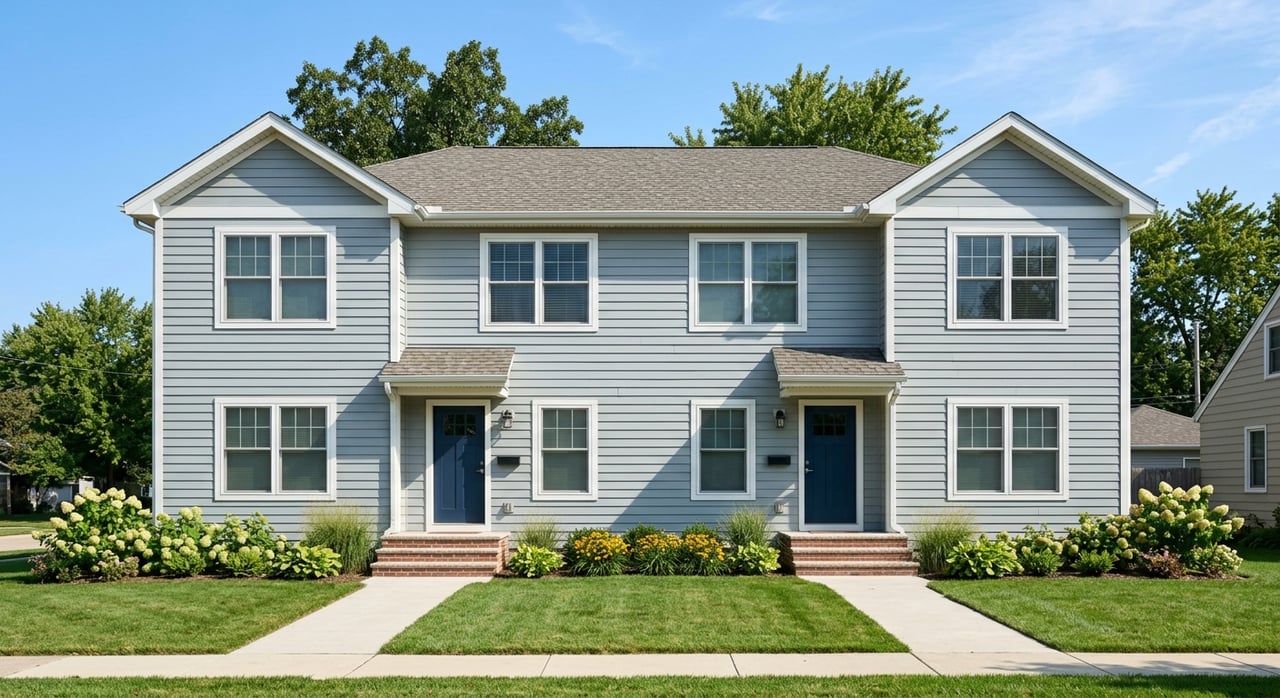
Small multi-family investing usually starts with properties like duplexes, two-flats, and 3-4 unit buildings. In Rockford, that matters because the city draws a clear line between a two-unit house and a multi-unit building with three or more dwelling units. That legal distinction affects how you evaluate a property, not just how it is marketed.
For many buyers, small multi-family can offer a practical entry point into investing. You may be looking for rental income, a value-add opportunity, or a chance to live in one unit and rent the others. The key is to treat it like a business decision from day one.
Know the property type first
Before you get attached to a deal, confirm what the property actually is under city definitions. Rockford defines a two-unit house as a building with two dwelling units on one lot or parcel. A multi-unit building is a building with three or more dwelling units.
That sounds basic, but it is one of the most important first checks. A listing may describe a property as a duplex or income property, but your due diligence should confirm the legal unit count, not just the bedroom count or marketing language.
Rockford zoning can change the deal
In Rockford, residential zoning districts include R-2 Two-Family Residential, R-3 Multifamily Residential, and R-4 Multifamily Residential. The city notes that R-4 allows higher-density multifamily use than R-3. That means you should not assume a parcel allows a use just because nearby buildings look similar.
The safer approach is simple: verify the parcel’s actual zoning and whether the existing or intended use is allowed. In Rockford, uses may be permitted, require special use approval, require performance review, fit under a planned unit development, or be prohibited. If the use is not clearly allowed, the Zoning Board of Appeals handles items such as zoning map amendments, special use permits, and variances.
Start with a simple income test
A small multi-family deal does not have to start with a complex spreadsheet. A simple underwriting approach can help you quickly decide whether a property deserves a deeper look. Start with gross rent, then subtract vacancy and maintenance allowance, taxes, insurance, utilities, repairs, and management to estimate net operating income, often called NOI.
Fannie Mae defines NOI as effective gross income minus operating expenses. In plain English, it is what the property earns after normal operating costs, before mortgage payments. If the NOI looks thin on conservative assumptions, that is a sign to slow down.
Use HUD rents as a benchmark
HUD Fair Market Rents can help you set a rough gross-rent benchmark in the Rockford area. For FY2026, the Rockford, IL MSA values were:
- Studio: $810
- 1-bedroom: $895
- 2-bedroom: $1,175
- 3-bedroom: $1,555
- 4-bedroom: $1,594
HUD says Fair Market Rents are gross rent estimates that include shelter rent plus tenant-paid utilities, excluding telephone, cable or satellite, and internet. These figures are not a promise of what your property will rent for, but they can help you pressure-test your assumptions.
Be conservative with expenses
One practical shortcut many buyers use is the 75% rule. If you use current rents or market rents, a conservative convention is to count about 75% of gross monthly rent and leave 25% for vacancy and ongoing maintenance.
That shortcut does not replace a full analysis, but it can keep you from getting overly optimistic. You should still budget for property taxes, insurance, water and utilities, repairs, and maintenance. If those costs are not clear before you offer, build in extra margin instead of hoping the numbers work later.
House hacking? Financing may work differently
If you plan to live in one unit and rent the others, your lender may view the income differently than with a fully non-owner-occupied investment. The CFPB notes that rental income from a multiple-unit property where you live in one or more units and charge rent to tenants in the other units may be used for qualifying purposes.
Documentation matters here. Current leases or tax records such as Schedule E are commonly part of the review. If you are pursuing this strategy, it helps to talk with your lender early so you know what income may count and what paperwork you will need.
What to verify before making an offer
The best Rockford small multi-family deals usually come down to verification. A property may look promising on paper, but a few overlooked details can change the math or create extra work after closing. Before you move forward, focus on the items below.
Confirm legal use and unit count
First, verify the legal unit count and whether the current use matches the parcel’s zoning. If a property is functioning as a two-unit or 3-4 unit building, make sure that use is actually allowed. If it is not clearly permitted as of right, the property may need a special use permit or variance.
Check parking requirements
Parking is a major due diligence item in Rockford. The city states that single-family homes, duplexes, and multifamily apartment complexes must provide off-street parking. Duplexes require two spaces per dwelling unit, while apartment buildings require one and one-half spaces per dwelling unit.
This matters if you are buying an older building, planning improvements, or relying on a detached garage or side drive. If parking is short, the property may be less functional than it first appears.
Review additions and accessory structures
If the property has additions, garages, decks, fences, porches, or other exterior improvements, those items may be subject to zoning and plan review requirements. The city states that additions and enlargements are reviewed for setback compliance and other zoning requirements. Accessory structures are also regulated.
That does not mean every improvement is a problem. It means you should verify what exists and whether any planned future work will fit local requirements.
Understand rental registration rules
If the property is within Rockford city limits and will be rented, registration is not optional. The city says any residential rental property within city limits must be registered through its Rental and Short-Term Rental Registry. The system has no cost to use, but noncompliance can lead to fines ranging from $50 to $750 per day for each property.
For an investor, this is a basic operational checklist item. It is also a reminder that owning rentals in Rockford comes with local compliance responsibilities, not just lease collection.
Taxes can reshape your numbers
Taxes deserve parcel-by-parcel review, especially for investors comparing multiple properties at similar price points. Winnebago County says the tax rate is multiplied against taxable value, and rates vary because they are driven by many taxing bodies. That means two properties with similar sale prices may carry different tax burdens.
Use county parcel tools to review assessment history, current assessed value, and exemption status. This is especially important if a seller currently receives an owner-occupant benefit that may not apply after an investor purchase. A deal that looks fine with the current tax bill may look different once ownership changes.
A practical Rockford due diligence workflow
If you want a clean, repeatable process, keep it simple. In Rockford, a smart small multi-family review usually follows this order:
- Verify the legal unit count.
- Confirm the parcel’s zoning and whether the use is allowed.
- Check off-street parking requirements.
- Review additions, garages, and other structures for zoning or permit concerns.
- Confirm rental registration requirements.
- Review tax history, assessed value, and exemptions.
- Analyze actual leases, rent rolls, and realistic operating costs.
- Have your lender and tax professional review the final numbers.
This kind of methodical approach fits small multi-family investing well. It helps you avoid emotional decisions and keeps your focus on whether the property works in the real world.
Why process matters more than hype
In a market like Rockford, small multi-family opportunities can be attractive because the entry price may feel more accessible than larger apartment buildings. But a good investment is not defined by the asking price alone. It is defined by whether the legal use, parking, tax profile, rent assumptions, and operating costs all support the plan.
That is why a data-driven process matters. When you verify the basics up front, you reduce surprises and make better decisions. Whether you are buying your first duplex or comparing a few value-add properties, clarity beats guesswork every time.
If you want help evaluating a duplex, two-flat, or small 3-4 unit property in Rockford, Israel Popoola brings a methodical, local approach that can help you move with more confidence.
FAQs
What counts as a small multi-family property in Rockford?
- In Rockford, a two-unit house has two dwelling units on one lot or parcel, while a multi-unit building has three or more dwelling units. For most small investors, that usually means duplexes, two-flats, and 3-4 unit buildings.
How should you estimate rent for a Rockford small multi-family deal?
- A practical starting point is to compare the unit mix to HUD Fair Market Rents for the Rockford MSA, then apply conservative assumptions for vacancy, maintenance, taxes, insurance, utilities, and repairs before estimating NOI.
Why does zoning matter for Rockford small multi-family investing?
- Zoning matters because a property’s existing or intended use must match the parcel’s actual zoning. In Rockford, uses may be permitted, require special use approval, or need a variance, so you should verify the parcel rather than assume based on nearby buildings.
What parking rules apply to Rockford duplexes and small apartment buildings?
- Rockford requires off-street parking for these properties. Duplexes require two spaces per dwelling unit, and apartment buildings require one and one-half spaces per dwelling unit.
Do Rockford rental properties need to be registered?
- Yes. The city says any residential rental property within Rockford city limits must be registered, and noncompliance can lead to fines of $50 to $750 per day for each property.
How can taxes affect a Rockford investment property analysis?
- Taxes can significantly change your cash flow because Winnebago County tax rates vary by parcel and taxing bodies. You should review parcel history, assessed value, and exemptions to understand what the tax burden may look like after purchase.