Are you getting ready to sell a Rockford duplex and hoping to attract serious investor buyers? In this market, a fresh clean-up is helpful, but it is rarely enough on its own. Investors usually want clear numbers, clean documentation, and fewer surprises during due diligence. If you prepare for those priorities before you list, you can make your property easier to evaluate and easier to buy. Let’s dive in.
Why investor buyers look past cosmetics
In Rockford, buyers are still active, but they are also selective. Redfin reported a median sale price of $169,912 in April 2026, with median days on market at 14. Illinois Realtors also reported 3,976 closed sales in the Rockford MSA in 2025, down 6.7% year over year, while inventory was down 33.6% and December 2025 prices were up 19.2% from a year earlier.
For a duplex, that means investor buyers are not just asking whether the property shows well online. They are also looking at whether the income, occupancy, and condition are easy to verify. When your records are organized and your maintenance issues are handled upfront, the sale process tends to move more smoothly.
Start with Rockford compliance basics
Before you think about photos or pricing, make sure the property clears the basic local requirements. In Rockford, residential rental properties within city limits must be registered. The city says the registry requires the property address, number of dwelling units, and owner, manager, and tenant contact information.
This is not a small detail to overlook. According to the city, noncompliance can lead to fines ranging from $50 to $750 per day for each property. If an investor discovers a registration issue during due diligence, it can create delay, negotiation pressure, or both.
Check property standards early
Rockford’s property standards cover both interior and exterior conditions. The city calls out items such as visible property addresses, sound roofs and drainage, secure exterior doors and windows, safe mechanical appliances, corrected electrical hazards, properly installed smoke detectors, carbon monoxide alarms within 15 feet of sleeping rooms, and removal of rubbish and garbage.
That list matters because many investor buyers are trained to look for risk first. A duplex can look tidy in photos and still raise concerns if safety or maintenance items are unfinished. It is usually smarter to fix the obvious issues before listing than to explain them away later.
Verify parking and zoning fit
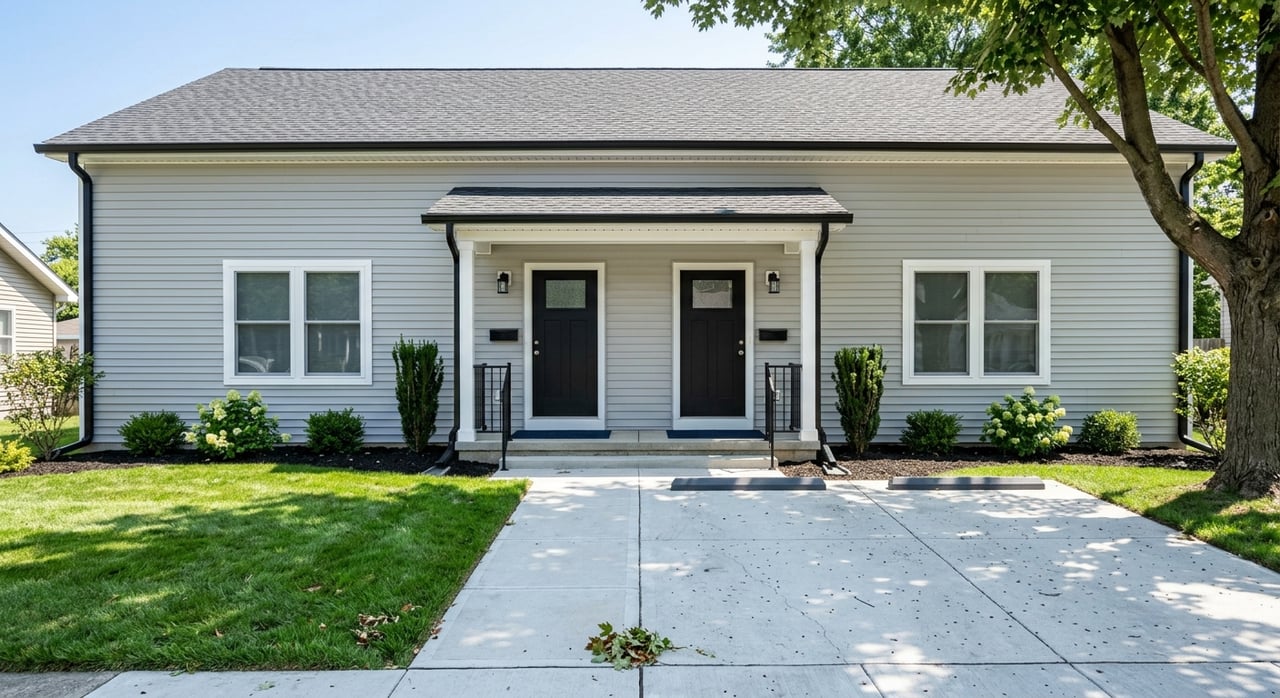
Parking can be more important than sellers expect. Rockford’s zoning-clearance guidance says duplexes require two off-street parking spaces per dwelling unit, while apartment buildings require one and one-half spaces per unit. The city also notes that zoning review can involve use, parking, landscaping, and setbacks.
Before you market the property, verify how the building is classified and whether the parking count matches that use. This is one of those practical details that can affect marketability and buyer confidence fast.
Organize the income story
If you want investor buyers to take your duplex seriously, make the financial picture easy to read. Buyers and lenders commonly review rent rolls, signed leases, occupancy, and operating statements to understand what the property is actually producing.
A current rent roll is especially important because it helps confirm who is in each unit, what they pay, and whether the property’s occupancy matches the paperwork. If your leases, rent amounts, and occupancy do not line up cleanly, expect questions.
Gather these records before listing
Create a simple file with the core operating documents an investor is likely to request:
- Current rent roll
- Signed leases for each occupied unit
- Recent operating statements
- Real estate tax records
- Property-casualty insurance information
- Utility billing details
- Notes showing which utilities are landlord-paid and which are tenant-paid
- Records of any tenant reimbursements or split-bill arrangements
This step helps in two ways. First, it reduces back-and-forth once the property hits the market. Second, it signals that you are running the asset in a professional, organized way.
Make utilities easy to explain
Utility setup can shape how an investor views the property’s operating risk. If your duplex has separate meters, shared meters, utility reimbursements, or rent that includes certain services, spell that out clearly.
Investors and lenders often review utility responsibility as part of underwriting. If those details are vague, buyers may assume the worst or build in extra cushion when valuing the property. A short written breakdown can prevent confusion.
Show the maintenance history
Investor buyers do not just want to know what the duplex earns today. They also want to know what it may cost tomorrow. That is why maintenance history and capital improvements matter.
Property-condition reviews commonly focus on deferred maintenance, life-safety concerns, and major work completed in recent years. If you have records for roof work, HVAC replacement, plumbing repairs, electrical updates, or permitted improvements, pull them together before listing.
Focus on repairs that reduce buyer doubt
Not every update carries the same weight with an investor. In most cases, practical repairs matter more than cosmetic upgrades. The strongest improvements are the ones that reduce uncertainty about safety, function, and upcoming capital expense.
Prioritize items like:
- Roof and drainage repairs
- Window and exterior door repairs
- Garage or accessory structure repairs
- Mechanical system servicing or replacement
- Electrical hazard corrections
- Smoke detector installation or replacement
- Carbon monoxide alarm compliance
- Trash, debris, and exterior clean-up
If you complete this work, keep invoices and before-and-after photos if available. That gives buyers a cleaner maintenance story and may reduce the discount they apply for unknowns.
Highlight features investors actually value
When you market a duplex to owner-occupants, you may focus more on style and comfort. When you market to investors, it helps to lead with what supports leasing, operations, and long-term value.
Features that often matter include off-street parking, a functional layout, clear access, straightforward utility setup, and a property configuration that is easy to manage. These details can affect operation, marketability, leasing, and even future refinancing.
Present vacancy and occupancy strategically
If one unit is vacant, make that vacancy work in your favor. Clean it thoroughly, photograph it well, and keep it show-ready so buyers can walk through the space without disruption.
If both units are occupied, be ready with lease status, rent amount, and renewal timing for each unit. The goal is simple: make the income story and the condition story equally easy to understand.
Questions to answer before buyers ask
Serious investor buyers tend to ask similar questions. If you prepare the answers before you list, you can save time and improve your negotiating position.
Here are some of the most common ones:
- Does the current rent roll match the signed leases and actual occupancy?
- What are the true operating expenses after taxes, insurance, management, and reserve assumptions are considered?
- Are there any deferred maintenance or life-safety issues?
- Is the parking count adequate for the building type?
- Is the rental registration current?
- Are utilities, meter splits, and tenant charges clearly documented?
Think of these as your pre-listing checklist. If you can answer them clearly, your duplex will usually feel lower-risk to the buyer reviewing it.
A practical pre-listing checklist
If you want a simple action plan, start here:
- Confirm the Rockford rental registration is current.
- Review the property against city property standards.
- Verify zoning classification and off-street parking count.
- Update the rent roll and match it to leases and occupancy.
- Organize expense records, tax information, and insurance details.
- Document utility responsibility for each unit.
- Gather repair invoices and records of major capital work.
- Fix visible safety and maintenance issues before photography.
- Prepare a clean, clear presentation for any vacant unit.
- Be ready to answer investor due-diligence questions quickly.
This kind of preparation supports better marketing and better negotiations. It also helps reduce the chance that a deal falls apart after inspection or document review.
Why preparation can protect your net proceeds
Investor buyers often move fast, but they also price in uncertainty. If your duplex has missing records, unclear utility arrangements, registration gaps, or unfinished repairs, buyers may lower their offer to protect themselves.
On the other hand, when you present a well-documented property with clear compliance, stable records, and visible maintenance, you give buyers fewer reasons to discount the deal. That does not guarantee a higher price by itself, but it can support stronger offers and a cleaner path to closing.
Selling a small multifamily property is part pricing exercise and part information management. In Rockford, where buyers are active but selective, your best edge is often simple: make the property easier to understand than the competing options.
If you are thinking about selling your Rockford duplex and want a data-driven plan for pricing, prep, and investor-facing marketing, connect with Israel Popoola for a clear next-step strategy.
FAQs
What documents do investor buyers want for a Rockford duplex?
- Investor buyers commonly want a current rent roll, signed leases, operating statements, tax and insurance information, utility details, and records of major repairs or upgrades.
What Rockford rental requirement should duplex sellers check first?
- Duplex sellers should confirm that the city rental property registration is current and complete, since Rockford requires registration for residential rental property within city limits.
What condition issues matter most when selling a Rockford duplex?
- The most important issues are usually safety and deferred maintenance items, such as roof and drainage problems, electrical hazards, mechanical concerns, secure doors and windows, smoke detectors, carbon monoxide alarms, and exterior debris.
What parking rule applies to duplexes in Rockford?
- Rockford’s zoning-clearance guidance states that duplexes require two off-street parking spaces per dwelling unit, so sellers should verify the property’s classification and parking count before listing.
Why do utility details matter to Rockford investor buyers?
- Utility details matter because buyers want to understand operating costs clearly, including whether utilities are separately metered, included in rent, or reimbursed by tenants.
How can you make a Rockford duplex more appealing to investor buyers?
- You can make it more appealing by organizing financial records, confirming local compliance, fixing visible safety and maintenance issues, and presenting occupancy, rent, and utility information in a clear, easy-to-review format.